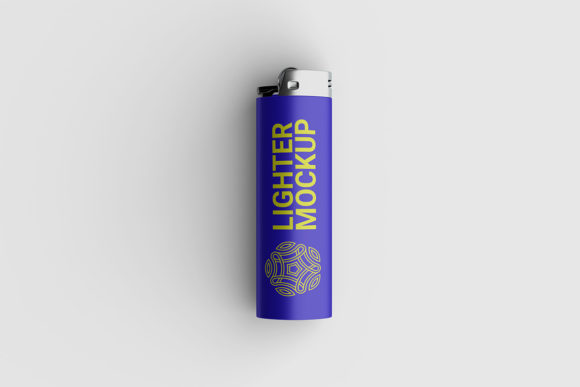
Small Lighter Mockup
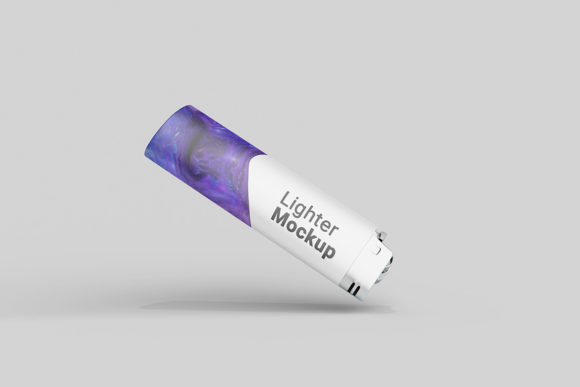
When you are preparing to launch a new branding project, the difference between a good presentation and a great one often comes down to context. A flat image of a logo or label rarely conveys the tactile reality of a product. This is where a Small Lighter Mockup becomes an essential tool in your design workflow. It allows you to showcase your designs professionally in a realistic 3D display, giving clients and stakeholders a tangible sense of how the final product will look in the real world.
However, not every mockup file delivers on its promise. Many designers download templates only to find themselves struggling with outdated layer structures, low-resolution outputs, or confusing instructions. Understanding the specific features and potential pitfalls of tools like the Small Lighter Mockup can save you hours of frustration and ensure your portfolio looks polished and credible.
Why Realistic Context Matters
In the competitive landscape of branding and packaging design, first impressions are critical. Clients do not just want to see a graphic; they want to see how that graphic interacts with light, shadow, and material texture. A high-quality mockup bridges the gap between digital abstraction and physical reality. By placing your artwork onto a realistically rendered lighter, you demonstrate attention to detail and professionalism.
This is particularly important for entrepreneurs, freelancers, and small business owners who need to pitch ideas quickly. Instead of spending weeks waiting for physical prototypes, you can visualize the end result immediately. This accelerates decision-making and reduces the risk of costly revisions later in the production phase.
The Power of Smart-Object Technology
One of the most significant advantages of modern mockups is the use of smart-object features within Photoshop. The Small Lighter Mockup leverages this technology to allow for rapid customization. You can replace the current designs with your own within seconds, streamlining what used to be a tedious process of manual masking and warping.
How it works: When you double-click the smart-object layer, a new document opens containing your artwork. You paste or place your design here, save the changes, and the main file updates automatically, maintaining all lighting, shadows, and perspective effects.
Common Mistake: Many beginners try to manually transform their image using standard "Free Transform" tools (Ctrl+T) instead of using the smart object. This breaks the realism, causing your design to look flat or misaligned with the curves of the lighter. Always respect the smart-object workflow to maintain the integrity of the 3D effect.
Evaluating Technical Specifications
Before downloading or purchasing any design asset, technical specifications should be your primary filter. Vague descriptions often lead to disappointing results. For instance, the Small Lighter Mockup offers a resolution of 300 dpi at a size of 3000x2000 px. This is crucial for both screen presentations and high-quality print materials.
- Resolution Integrity: A 300 dpi file ensures that when you zoom in to check details or print a large poster featuring your mockup, the image remains crisp. Lower resolution files may appear pixelated, undermining the professional image you are trying to build.
- Aspect Ratio: The 3000x2000 px dimension provides a wide canvas, allowing you to include surrounding context or text overlays without cropping your main subject awkwardly.
If a mockup claims to be high-res but lacks these specific numbers, proceed with caution. It is better to have precise data than to guess and risk wasting time on a file that cannot meet your output needs.
Navigating Background Flexibility
Versatility is key when presenting a portfolio. A single background color limits your ability to adapt your presentation to different brand palettes or client preferences. Fortunately, many advanced mockups, including the Small Lighter Mockup, feature changeable background colors. This allows you to isolate the product against a clean white backdrop for e-commerce listings or use a vibrant, branded color for social media ads.
Better Approach: Do not settle for static backgrounds if your workflow requires variety. Check the layer structure of the mockup before committing. Ensure that the background layer is separate from the lighting effects on the lighter itself. If changing the background color also alters the shadows on the product, the mockup may lack proper compositing skills, leading to unrealistic visuals.
Avoiding Hidden Frustrations
Even with excellent assets, user error can derail a project. Here are practical warnings to keep in mind when working with digital mockups:
- Ignoring Help Guides: Some creators provide PDF help guides to explain complex layer setups. Skipping these instructions can lead to confusion. Take five minutes to read the guide; it often contains shortcuts and tips that save significant time.
- Misinterpreting Preview Images: It is standard industry practice that photos used in previews are for illustration purposes only and are not included in the download. Never assume you are receiving stock photography along with the template. Focus on the vector or raster files provided for your actual design work.
- Overlooking File Formats: Ensure you are working in the correct software version. While PSD is the standard, compatibility issues can arise if you are using an older version of Photoshop. Check the minimum required version in the product description to avoid opening errors.
Maximizing Efficiency and Quality
To get the most out of your Small Lighter Mockup, treat it as a dynamic tool rather than a static image. Experiment with different lighting conditions if the file allows adjustments. Pay attention to the scale of your design relative to the lighter’s surface area. A common aesthetic mistake is making the logo too large or too small, which disrupts the visual balance.
For educators and bloggers creating content about design, using such mockups adds credibility to tutorials. It shows students exactly how digital art translates to physical products. Similarly, marketers can use these visuals to create more engaging ad creatives that stand out in crowded feeds.
Final Checklist Before Use
Before you dive into your next project, run through this quick evaluation:
- Does the file support smart objects for easy editing?
- Is the resolution sufficient for your intended output (print vs. web)?
- Are the layers organized logically to prevent accidental deletions?
- Is there clear documentation or a help guide available?
By focusing on these practical aspects, you move beyond simply downloading a file to truly utilizing a powerful asset. The Small Lighter Mockup is designed to be user-friendly, but its effectiveness depends on your approach. Avoid the temptation to rush through the setup. Take the time to understand the layers, respect the technical constraints, and leverage the smart-object features fully.
Ultimately, the goal is to present your work in the best possible light. Whether you are a seasoned pro refining a client pitch or a beginner building your first portfolio, paying attention to these details ensures your designs are seen not just as graphics, but as viable, high-quality products. This shift in perception is invaluable in building trust and driving success in your creative endeavors.