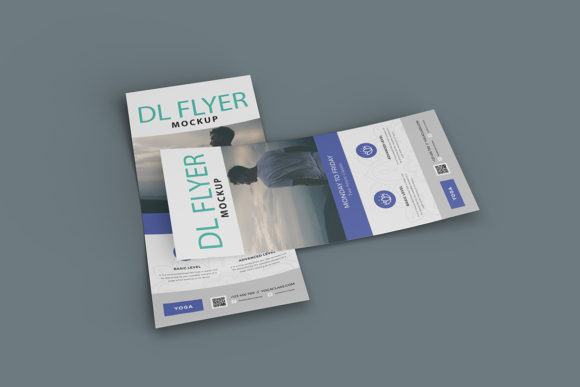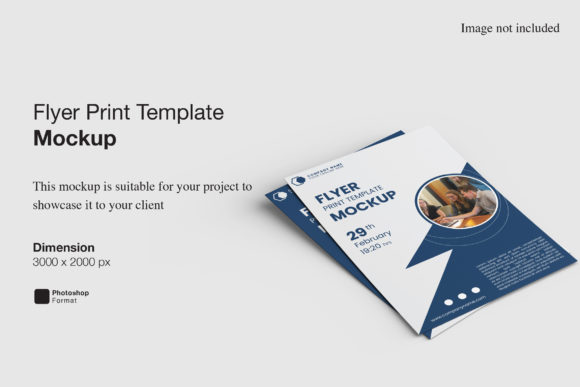
Flyer Print Template Mockup
In the landscape of modern marketing and design, the gap between a digital concept and a tangible product is often bridged by visualization. A Flyer Print Template Mockup serves as that critical bridge, transforming flat 2D files into realistic 3D representations that allow designers, entrepreneurs, and marketers to evaluate their work in context. This tool is not merely a decorative asset; it is a strategic instrument for validation, presentation, and professional communication. By utilizing a high-fidelity mockup, you move beyond abstract speculation and ground your creative decisions in visual reality.
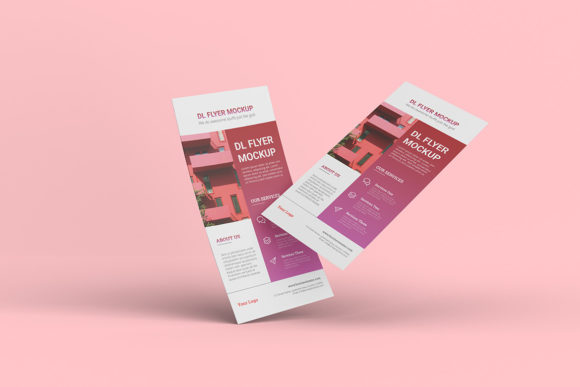
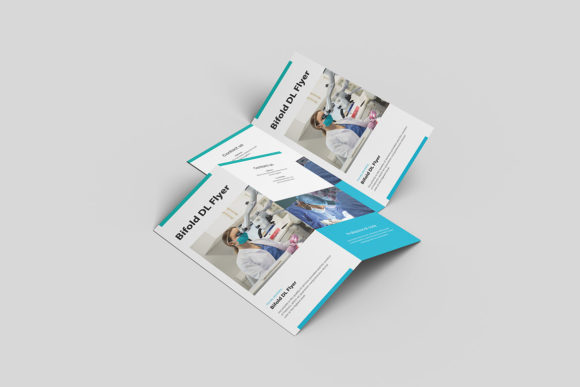
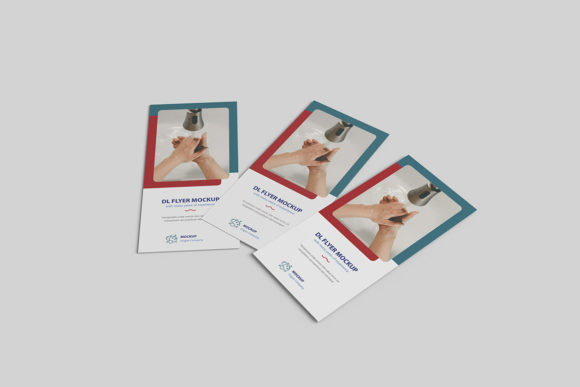
The core utility of this item lies in its ability to showcase designs professionally in a realistic 3D display. When presenting to clients or stakeholders, the difference between a JPEG file and a photorealistic mockup is substantial. The latter provides depth, texture, and environmental context, which helps the viewer understand how the final printed piece will look in the real world. This capability supports better decision-making during the planning phase, allowing teams to catch errors in scale, color balance, or layout before committing to expensive print runs.
Strategic Value in Design Validation
One of the most significant risks in graphic design is the disconnect between screen perception and physical output. Colors shift on paper, typography behaves differently at various sizes, and white space can feel cramped when translated from a monitor to a flyer. A Flyer Print Template Mockup mitigates these risks by providing a simulated environment where these variables are already accounted for. It allows you to see how light interacts with the paper surface, how shadows fall across folds, and how the overall composition holds up under realistic conditions.
For freelancers and small business owners, this validation process is essential for maintaining credibility. Presenting a polished, realistic preview demonstrates attention to detail and professionalism. It signals to potential clients that you have considered the end-user experience and the physical constraints of printing. This thoughtful approach to design preparation can be the deciding factor in securing contracts, as it reduces the perceived risk for the client. They can visualize the outcome clearly, leading to faster approvals and smoother project workflows.
Efficiency Through Smart-Object Technology
Time is a scarce resource for creators and decision-makers alike. The efficiency of a design tool is measured not just by its aesthetic quality, but by how quickly it integrates into your existing workflow. This specific template is available in PSD Photoshop format, leveraging smart-object features to streamline the replacement process. Instead of manually adjusting layers, masks, and blend modes, you can drop your new design into the designated area within seconds.
This ease of use is particularly valuable when iterating through multiple design options. You might want to test different color schemes, headline variations, or imagery sets to see which performs best visually. With a standard mockup, each variation could take minutes to render. With a smart-object-enabled template, the process takes mere seconds. This rapid iteration capability supports a more experimental and data-driven approach to design, allowing you to refine your message without being bottlenecked by technical hurdles.
- Rapid Iteration: Test multiple design variants quickly to find the most effective visual communication.
- Reduced Technical Friction: Smart objects eliminate the need for complex layer management, keeping the focus on creativity.
- Consistency: Ensure that every version of your design maintains the same lighting, perspective, and texture details.
Technical Specifications and Practical Considerations
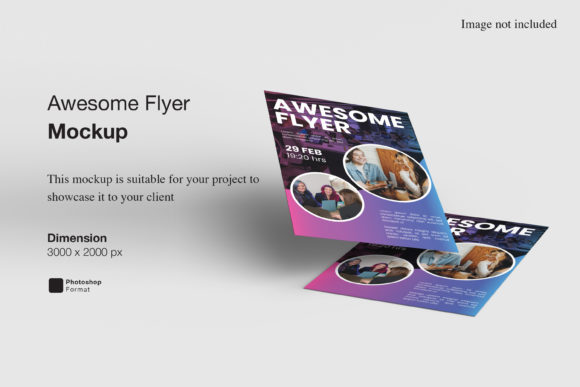
Understanding the technical specifications of your tools is crucial for achieving optimal results. This Flyer Print Template Mockup comes with a resolution of 300 dpi and a size of 3000x2000 pixels. These metrics are carefully chosen to ensure high-quality output for both digital presentation and large-format printing if necessary. The 300 dpi standard is the industry benchmark for print-ready materials, ensuring that text remains sharp and images do not appear pixelated when viewed closely.
The changeable background-color feature adds another layer of versatility. Depending on your brand identity or the context in which you are presenting the flyer, you may need to adjust the background to create contrast or harmony. For instance, a dark background might emphasize a luxury brand’s elegance, while a bright, neutral background might suit a community event or educational material. This flexibility allows you to tailor the presentation to specific audiences without needing to source entirely new mockups for every project.
However, it is important to note that the photos used in the preview are for illustration purposes only. This distinction is vital for managing expectations. While the mockup provides a realistic framework, the actual environment and props may vary depending on your editing skills and additional assets. To achieve the highest fidelity, consider sourcing high-quality stock photography or using your own environmental shots to complement the base template. This proactive approach ensures that the final presentation aligns perfectly with your brand’s unique voice and aesthetic.
Intentional Use vs. Random Application
A common pitfall in design resource usage is relying on templates without a clear strategic purpose. Simply slapping a logo onto a Flyer Print Template Mockup does not guarantee a successful outcome. The tool must be used intentionally to support broader goals such as branding, customer experience, or operational efficiency. Before opening the PSD file, ask yourself what you are trying to communicate. Is the goal to attract attention? To inform? To persuade? Your answer should dictate not only the design content but also how you present it within the mockup.
For educators and bloggers, this mockup can serve as a powerful learning tool. By visualizing how their content translates into physical form, they can better understand the principles of layout, hierarchy, and readability. For publishers and marketers, it is a critical component of the pre-launch checklist. It allows for a final review of the design’s impact, ensuring that key messages are legible and compelling. In both cases, the mockup is not an endpoint but a checkpoint in the creative process.
Consider the long-term implications of your design choices. A flyer is often a first point of contact between a brand and a potential customer. If the design looks unprofessional or poorly executed in its mockup representation, it may erode trust before the actual product is even distributed. Therefore, investing time in creating a high-quality, realistic presentation is an investment in brand reputation. It reflects a commitment to excellence and respect for the audience’s experience.
Planning and Decision-Making Guidance
To maximize the value of this asset, integrate it into your planning workflow early. Do not wait until the design is finalized to apply the mockup. Instead, use it iteratively throughout the design process. Start with a basic layout, apply the mockup, and assess the visual balance. Adjust elements as needed, reapply the mockup, and repeat. This cycle of creation and validation helps identify issues that might otherwise go unnoticed in a flat view.
Additionally, leverage the PDF help guide included with the template. While the smart-object features are intuitive, understanding the nuances of layer naming and group organization can save time and prevent accidental edits to non-editable parts of the image. Familiarity with the file structure empowers you to customize the mockup further, perhaps by adding subtle imperfections like slight creases or shadows to enhance realism even more.
When selecting colors and fonts for your flyer, keep the mockup’s lighting and texture in mind. Dark colors may absorb more light in a realistic rendering, appearing darker than they do on a backlit screen. Similarly, thin fonts might lose clarity when rendered with shadows and depth. Testing these elements within the mockup environment ensures that your design choices remain effective in the real world.
Conclusion: A Tool for Professional Growth
The Flyer Print Template Mockup is more than a collection of layers; it is a catalyst for better design outcomes. By providing a realistic 3D display, it bridges the gap between imagination and execution. Its smart-object capabilities offer speed and flexibility, while its high-resolution specifications ensure quality. However, its true power is unlocked when used strategically—by informed professionals who understand the importance of context, validation, and intentional communication.
For entrepreneurs, marketers, and creators, adopting this tool represents a step toward more mature, results-oriented practices. It encourages a mindset of precision and empathy for the end-user. Whether you are launching a new product, promoting an event, or sharing educational content, the ability to present your work in a realistic, professional manner can significantly enhance your impact. Use this template not just to show off your designs, but to refine them, validate them, and ultimately, deliver greater value to your audience.