Elevate Your Design Portfolio with Professional Book Cover Mockups
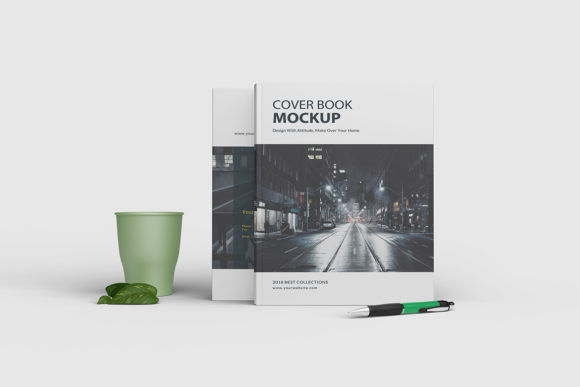
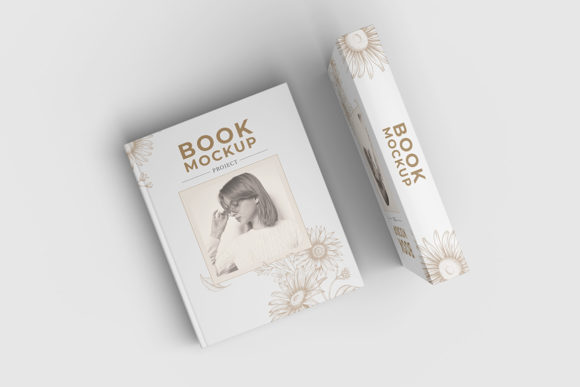
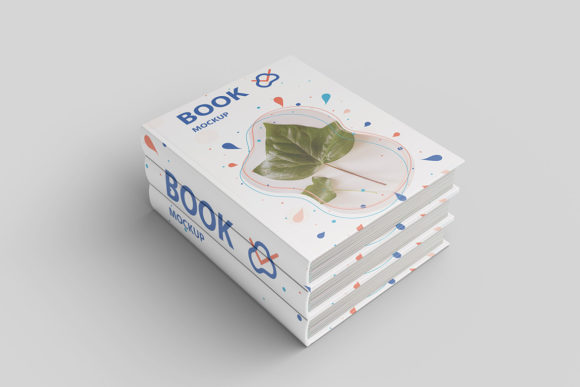
In the competitive world of graphic design, presentation is just as critical as the creative work itself. Whether you are a self-published author, a freelance illustrator, or a branding agency pitching to a client, the way your work is displayed can make or break an opportunity. This is where a high-quality Book Cover Mockup becomes an indispensable tool in your digital arsenal. It transforms flat, two-dimensional JPEGs into realistic, tangible objects that potential clients and readers can visualize in the real world.
The market for digital assets has exploded, but not all mockups are created equal. Many designers struggle with low-resolution files, clunky layer structures, or unrealistic lighting that detracts from their hard work. A premium PSD file designed specifically for showcasing book designs solves these problems by offering a seamless blend of realism and efficiency. By utilizing smart-object features within Adobe Photoshop, you can replace placeholder images with your own artwork in seconds, ensuring that your final output looks polished, professional, and ready for print or digital distribution.
The Power of Realistic 3D Visualization
Why does realism matter so much in digital presentations? The answer lies in psychology. When a client sees a flat image of a book cover on a white background, they have to use their imagination to understand how it will look in physical form. They might wonder about the spine thickness, the texture of the paper, or how the light hits the glossy finish. A realistic 3D display eliminates this guesswork.
A well-crafted mockup provides context. It places your design into a believable environment—perhaps resting on a wooden desk, held in someone’s hands, or standing upright on a shelf. This contextualization helps clients connect emotionally with the product. For authors, it means seeing their story “on the shelf.” For publishers, it means evaluating the marketing potential of the cover before a single copy is printed. The shift from abstract concept to concrete object is immediate and powerful when using advanced 3D rendering techniques embedded in modern PSD files.
Furthermore, the depth and shadowing in a high-end mockup add a layer of sophistication. It signals to the viewer that you care about details. It suggests that the designer understands not just color theory and typography, but also material properties and lighting physics. This subtle cue builds trust and authority, positioning you as an expert who delivers more than just a file—they deliver a complete visual experience.
Streamlining Workflow with Smart Objects
Time is money, especially in the fast-paced freelance and agency environments. One of the most significant advantages of using a dedicated Book Cover Mockup is the integration of smart-object technology. In traditional workflows, replacing a design might involve complex masking, warping tools, and manual adjustments to match perspective. This process can take hours and often results in pixelation or misalignment.
Smart objects simplify this entirely. Think of them as dynamic containers. You simply double-click the smart object layer in Photoshop, paste your new cover art, save the changes, and watch as the software automatically applies your design to the curved surface, adjusting for perspective, shadows, and lighting effects instantly. This feature allows for rapid iteration. If a client wants to see three different title variations, you can generate those previews in minutes rather than days.
This ease of use extends beyond simple replacement. Advanced mockups often include editable text layers, allowing you to change titles, subtitles, and author names directly within the file. Some even offer adjustable background colors, enabling you to create cohesive brand presentations without needing to composite multiple images together. The result is a workflow that is not only faster but also less prone to human error, allowing you to focus on creativity rather than technical troubleshooting.
Technical Specifications That Matter
Not all PSD files are suitable for professional use. When selecting a mockup, certain technical specifications ensure that your final output meets industry standards. Resolution is paramount. A standard screen resolution (72 DPI) is insufficient for high-quality prints or detailed zoom-ins. Instead, look for files with a resolution of 300 DPI. This ensures that every pixel is crisp and clear, whether the image is viewed on a mobile device or printed as a large poster for a portfolio review.
Dimensions also play a crucial role. A size of 3000x2000 pixels offers a generous canvas that allows for cropping and resizing without losing quality. This aspect ratio is versatile, fitting well into website headers, social media posts, and email newsletters. However, the true value lies in the non-destructive editing capabilities. High-quality mockups preserve the integrity of your original design while applying realistic distortions and textures. This means you can experiment freely, knowing that your source file remains untouched and reusable for other projects.
Additionally, consider the format compatibility. While the primary format is PSD (Photoshop), some packages include PDF help guides or layered AI files. These resources are invaluable for designers who may be working in different software environments or need to reference specific layer structures. The inclusion of a guide demonstrates the creator’s attention to user experience, reducing the learning curve and helping you get started immediately.
Strategic Applications in Modern Design Workflows
The utility of a Book Cover Mockup extends far beyond just showing off a finished project. It is a strategic asset used throughout various stages of the design lifecycle. Here are several scenarios where this tool proves its worth:
- Client Presentations: Instead of sending a generic email attachment, send a visually stunning mockup. It commands attention and reduces the likelihood of misunderstandings regarding scale and appearance.
- Social Media Marketing: Platforms like Instagram and Pinterest thrive on visual appeal. A realistic mockup stands out in a crowded feed, driving higher engagement rates and click-throughs to your portfolio or store.
- Self-Promotion for Authors: Independent authors often lack the budget for professional photoshoots. A high-quality mockup serves as a cost-effective alternative, allowing them to advertise their books on Amazon, Goodreads, and their personal websites with professional-grade imagery.
- Portfolio Building: A portfolio filled with flat images looks amateurish. One populated with realistic mockups demonstrates versatility and readiness for commercial work. It shows that you understand how design interacts with the physical world.
Moreover, these mockups are adaptable. While marketed for books, the same principles apply to magazines, catalogs, and brochures. The ability to swap backgrounds and adjust lighting allows you to tailor the presentation to match the tone of the content. A thriller novel might benefit from a dark, moody background, while a children’s book might pop against a bright, playful setting.
Considerations for Choosing the Right Asset
With countless options available online, selecting the right mockup requires careful consideration. First, check the preview images closely. Are the shadows natural? Does the lighting feel consistent? Avoid mockups that look overly staged or have unnatural reflections. The goal is subtlety; the mockup should enhance the design, not distract from it.
Second, verify the complexity of the file structure. While advanced features are beneficial, overly complicated files with hundreds of unnecessary layers can slow down your computer and confuse the editing process. Look for a balance between functionality and simplicity. The presence of a "PDF help guide" mentioned in many premium listings is a good indicator that the creator has thought about usability and support.
Finally, always remember that the images used in previews are for illustration purposes only. Do not assume you are purchasing the photo model or the background scenery unless explicitly stated. You are buying the template—the framework upon which you will build your unique vision. Understanding this distinction prevents disappointment and ensures you know exactly what you are acquiring.
Conclusion: Investing in Visual Impact
In an era where digital presence defines professional credibility, the difference between a good design and a great presentation can be the deciding factor in securing a contract or selling a book. A high-quality Book Cover Mockup is more than just a template; it is a bridge between your creative intent and your audience’s perception. By leveraging realistic 3D displays, smart-object efficiency, and high-resolution outputs, you empower yourself to showcase your work with the professionalism it deserves. Whether you are refining your portfolio, pitching to new clients, or launching your own publication, integrating these tools into your workflow is a practical step toward elevating your design career.