Random Card Mockup
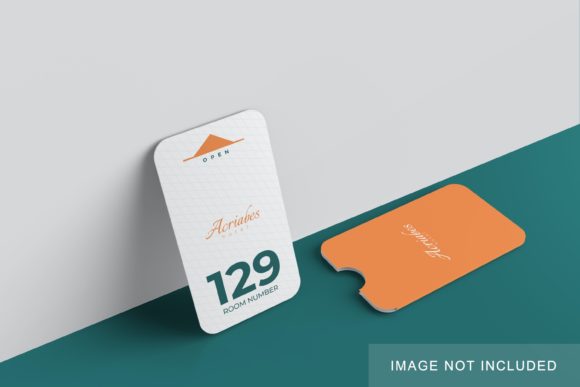
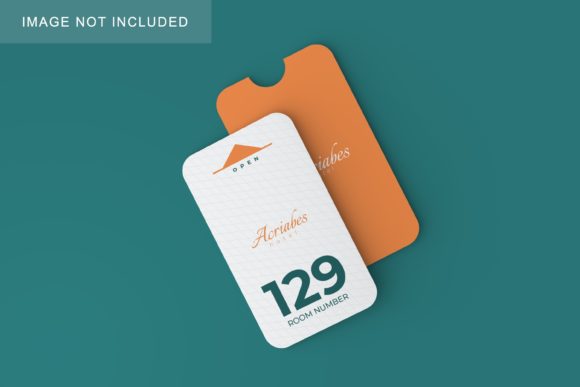
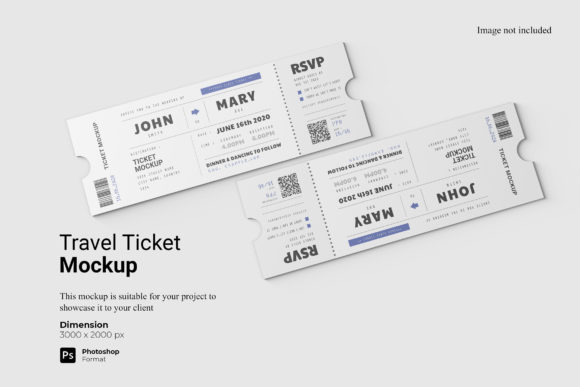
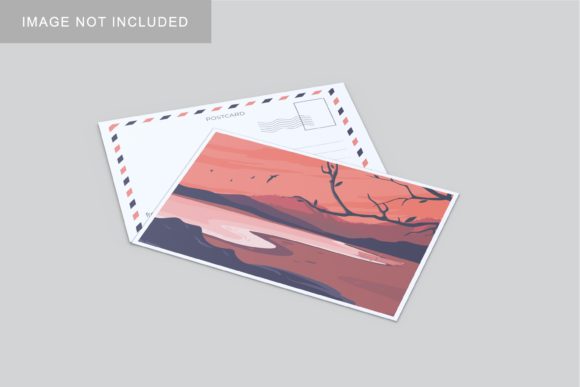
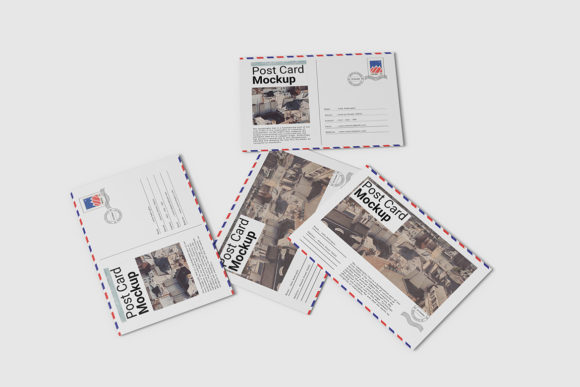
In the digital age, the way we present creative work has shifted dramatically. It is no longer enough to simply have a great design; you must be able to showcase it in a context that feels tangible, professional, and immersive. This is where the concept of a Random Card Mockup becomes an essential tool for designers, marketers, and business owners. Whether you are launching a new loyalty card, designing a premium membership pass, or creating a stylish business card template, the visual presentation can make or break the initial impression.
A mockup is more than just a static image; it is a bridge between the flat digital file and the real-world object. By using a realistic 3D display, you allow clients and customers to visualize the final product before it is ever printed. This article explores how leveraging smart-object features in Photoshop can streamline your workflow, enhance your portfolio’s professionalism, and meet the modern expectation for high-quality visual communication.
The Evolution of Visual Presentation in Design
Gone are the days when submitting a flat JPEG of a logo or card design was sufficient for client approval. Today’s audience, accustomed to the high-fidelity visuals found on social media and e-commerce platforms, expects to see designs in context. They want to see shadows, textures, lighting, and perspective. This shift reflects a broader change in user expectations: people engage more deeply with content that feels authentic and three-dimensional.
The trend toward "realism" in digital assets is not merely aesthetic; it is functional. A well-executed mockup reduces ambiguity. It helps stakeholders understand scale, material quality, and layout balance. For freelancers and agencies, this means fewer rounds of revision because the client can immediately grasp how the design will look in hand. The ability to present work professionally builds trust and positions the designer as an expert who understands both aesthetics and practical application.
Why Realistic 3D Displays Matter
When discussing a Random Card Mockup, the emphasis on a "realistic 3D display" is critical. Unlike flat templates, 3D mockups simulate physical properties such as depth, curvature, and surface finish. This simulation allows designers to test their work against realistic environmental factors. For instance, does the text remain legible when the card is slightly angled? Does the color palette hold up under simulated lighting conditions?
This level of detail is particularly important for industries where perception equals value. In finance, healthcare, and luxury retail, a poorly presented card design can undermine the perceived value of the service. Conversely, a crisp, realistic mockup suggests attention to detail and quality control. It signals that the brand cares about the tactile experience of its customers, even if the primary interaction is digital.
Streamlining Workflow with Smart-Objects
One of the most significant advantages of using a PSD-based mockup is the integration of Smart-Object features. For designers working under tight deadlines, efficiency is paramount. Traditional methods of manipulating layers, adjusting masks, and warping images can be time-consuming and prone to error. Smart-objects simplify this process into a seamless, intuitive action.
With a smart-object enabled file, replacing your design is as simple as double-clicking the layer thumbnail, pasting your artwork, and saving. The mockup automatically adjusts to fit the perspective, lighting, and texture of the card. This feature is available in the PSD Photoshop format, ensuring compatibility with industry-standard software. The result is a professional-grade presentation created within seconds, allowing you to focus more on the creative strategy and less on technical execution.
- Speed: Replace designs quickly without manual distortion tools.
- Accuracy: Automatic alignment ensures your design fits perfectly into the scene.
- Flexibility: Easily swap out multiple designs to compare options for client presentations.
Technical Specifications and Usability
To ensure your presentations are print-ready and web-optimized, the technical specifications of the mockup file are crucial. The provided 3000x2000 px size at 300 dpi resolution meets the standard requirements for high-quality printing and sharp digital display. This resolution ensures that details remain crisp whether viewed on a large monitor or printed as a physical brochure.
Furthermore, the inclusion of a changeable background-color adds versatility to the mockup. Depending on your brand identity or the mood you wish to convey, you can easily alter the backdrop to complement the card design. A dark background might suggest sophistication and elegance, while a light, neutral tone could emphasize clarity and modernity. This adaptability makes the single asset useful across various project types and branding guidelines.
For users who may be less familiar with advanced Photoshop techniques, the availability of a PDF help guide is a valuable resource. It provides step-by-step instructions on how to utilize the smart-objects and adjust settings, lowering the barrier to entry for hobbyists and beginners while still offering utility to seasoned professionals.
Practical Applications for Various Professionals
The utility of a Random Card Mockup extends across a wide spectrum of professions. Here is how different groups can benefit from incorporating these tools into their workflows:
Freelance Graphic Designers
For freelancers, time is money. Using a mockup that allows for rapid iteration means you can offer clients multiple variations of a design without spending hours on rendering. This efficiency can lead to faster project turnaround times and higher client satisfaction. Additionally, showcasing your work in a realistic 3D environment enhances your portfolio, making it more attractive to potential employers or collaborators.
Marketing Agencies
Agencies often need to pitch concepts to clients who may not have a design background. A realistic mockup serves as a powerful communication tool, translating abstract ideas into concrete visuals. When presenting a rebranding campaign, showing how new business cards or membership cards will look in real life helps clients visualize the impact of the changes, facilitating quicker decision-making and approval.
Entrepreneurs and Small Business Owners
Business owners who handle their own marketing materials can use these mockups to create professional-looking assets without hiring expensive designers. By downloading a PSD file and using the smart-object feature, they can insert their logo and contact information into a pre-designed, high-quality template. This democratizes access to professional design standards, allowing small businesses to compete visually with larger corporations.
Educators and Content Creators
For educators creating course materials or bloggers writing about design trends, having access to accurate mockups allows for better illustration of concepts. When teaching about typography or layout, showing students how a design looks in a realistic context reinforces learning objectives. Similarly, content creators can produce engaging blog posts or videos by using these mockups to demonstrate design principles visually.
Understanding the Limitations and Best Practices
While mockups are incredibly useful, it is important to approach them with a clear understanding of their purpose. As noted in the product description, photos used in the preview are not included and are for illustration purposes only. This distinction is vital for managing expectations. The mockup provides the structure and realism, but the actual design content must be supplied by the user.
To get the best results, always ensure your source designs are high-resolution and properly formatted. Even the most sophisticated mockup cannot compensate for a low-quality input image. Additionally, consider the context in which you are presenting the mockup. If you are posting on social media, ensure the aspect ratio is optimized for the platform. If you are sending a PDF proposal, verify that the colors match your screen output as closely as possible.
Conclusion
In a market that values speed, quality, and authenticity, tools like the Random Card Mockup provide a competitive edge. By combining realistic 3D displays with the ease of smart-object editing, designers and businesses can elevate their visual communications effortlessly. The ability to quickly replace designs, adjust backgrounds, and maintain high resolution ensures that your work stands out in a crowded digital landscape.
As technology continues to evolve, the demand for realistic, interactive, and high-quality visual content will only grow. Embracing these tools now prepares you for future challenges, allowing you to deliver polished, professional results consistently. Whether you are a seasoned pro or just starting out, integrating realistic mockups into your workflow is a practical step toward enhancing your creative impact and meeting the evolving needs of your audience.