Minimal Trifold Mockup V2: A Professional Evaluation
In the competitive landscape of graphic design and marketing, presentation is often as critical as the creative work itself. Designers, agencies, and freelance creatives constantly seek tools that bridge the gap between a flat digital file and a tangible, real-world application. This is where mockups become indispensable. Among the various options available, the Minimal Trifold Mockup V2 has emerged as a practical solution for professionals looking to showcase brochure designs with clarity and realism. This evaluation explores the features, usability, and strategic value of this specific PSD resource, helping designers determine if it aligns with their workflow needs.
Understanding Minimal Trifold Mockup V2
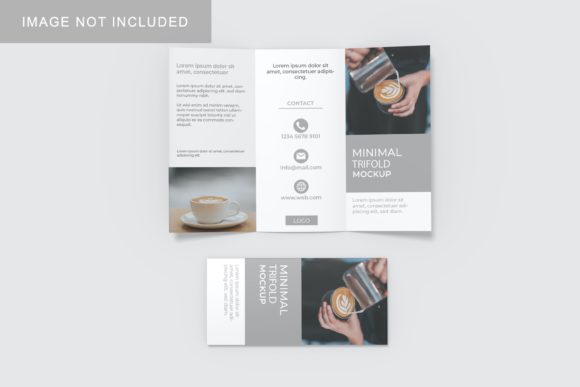
The Minimal Trifold Mockup V2 is a high-resolution Photoshop document designed to simulate a realistic three-panel brochure in a 3D perspective. Unlike simple flat lay images, this mockup provides depth, shadows, and lighting effects that mimic how a printed trifold would appear on a desk or in a hand. The primary purpose of this asset is to allow designers to present their tri-fold brochure concepts in a context that clients can easily visualize. By replacing the default placeholder image with your own artwork, you create a convincing preview of the final printed product without needing to physically print and photograph every iteration.
This tool is particularly relevant for designers who specialize in corporate branding, event marketing, or informational pamphlets. It serves as a visual aid that communicates scale, layout balance, and color accuracy in a way that standard JPEG previews cannot. The "V2" designation typically implies an update from a previous version, suggesting improvements in layer organization, resolution quality, or ease of use, which are common expectations when upgrading digital assets.
Key Features and Technical Specifications
When evaluating a mockup, technical specifications play a crucial role in determining its utility. The Minimal Trifold Mockup V2 offers several distinct advantages rooted in its construction:
- Smart-Object Integration: The core functionality relies on Adobe Photoshop’s Smart Object feature. This allows users to double-click a layer to open their design, make edits, save, and instantly see the changes reflected in the 3D view. This process eliminates the need for manual warping or perspective matching, saving significant time during the revision phase.
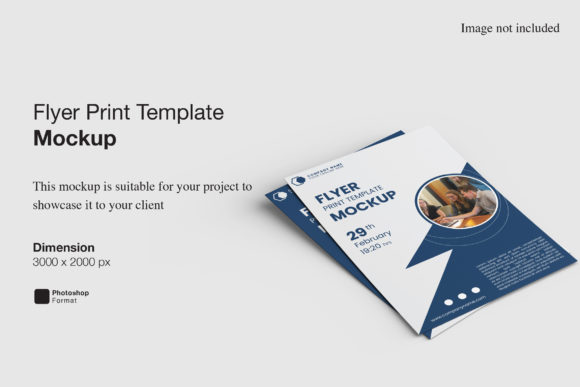
- High Resolution and Print Quality: The file is sized at 3000x2000 pixels with a resolution of 300 DPI. This density ensures that the mockup remains crisp even when displayed on large monitors or used in high-quality presentations. For web-based portfolios, this resolution guarantees sharpness across different screen densities.
- Customizable Background: One of the standout features is the ability to change the background color. This flexibility allows designers to tailor the presentation environment to match their brand identity or to isolate the brochure for a cleaner look. Whether a stark white background is needed for minimalism or a textured surface for warmth, the user has control over the setting.
- User Support: The inclusion of a PDF help guide addresses potential learning curves. For designers less familiar with advanced Photoshop techniques, this documentation provides step-by-step instructions, ensuring that the asset is accessible to varying skill levels.
Benefits for Design Professionals
The adoption of the Minimal Trifold Mockup V2 offers tangible benefits for those in the design industry. First and foremost, it enhances professional credibility. Presenting a design within a realistic 3D context signals attention to detail and foresight regarding production. Clients are more likely to approve concepts when they can visualize the end result, reducing the cognitive load required to imagine how a flat design translates to paper.
Furthermore, efficiency is a major advantage. Traditional methods of creating mockups—such as taking photographs of physical prototypes—require lighting setups, cameras, and post-processing time. Digital mockups streamline this workflow. With Smart Objects, a designer can generate multiple variations of a brochure (e.g., different color schemes or content layouts) in seconds. This rapid prototyping capability supports agile design processes and facilitates quicker client feedback loops.
Additionally, the minimal aesthetic of the mockup itself is a benefit. By avoiding overly ornate props or distracting elements, the focus remains squarely on the designer’s work. This neutrality makes the mockup versatile enough for various industries, from healthcare to technology, without clashing with the subject matter of the brochure.
Considerations and Potential Tradeoffs
While the Minimal Trifold Mockup V2 is a robust tool, it is important to approach its use with realistic expectations. One consideration is the dependency on Adobe Photoshop. Since the file is provided in PSD format with Smart Objects, users must have access to this software. Designers who rely on other platforms like Illustrator, InDesign, or Canva may find this asset less immediately useful unless they have a workflow that includes Photoshop for final presentation.
Another factor is the static nature of the 3D display. While the mockup provides a realistic angle, it does not offer interactive 3D rotation or animation. If a project requires dynamic visualization or video presentations, this static PSD may need to be supplemented with other media. However, for standard portfolio displays and client emails, the static image is usually sufficient.
It is also worth noting that the photos used in promotional previews are illustrative only. Users should expect a clean canvas rather than a pre-styled scene. This lack of pre-made styling is generally a positive for customization but means the user must invest a small amount of effort into selecting appropriate background colors or textures to achieve the desired mood.
Who Should Use This Mockup?
The Minimal Trifold Mockup V2 is best suited for graphic designers, marketing agencies, and freelancers who regularly produce tri-fold brochures. It is particularly valuable for those who present their work digitally to remote clients or incorporate mockups into online portfolios. If your goal is to communicate professionalism and provide clear visualizations of print materials, this tool aligns well with those objectives.
Conversely, if your workflow involves heavy motion graphics or if you primarily work with non-print mediums such as UI/UX design for mobile apps, this specific mockup may not be the most efficient choice. In such cases, alternatives focusing on device frames or web interfaces might offer better ROI. Similarly, designers working exclusively in vector-only environments without Photoshop access may need to convert files or seek compatible formats.
Final Verdict
Ultimately, the decision to use the Minimal Trifold Mockup V2 depends on your specific presentation needs and software ecosystem. Its combination of high resolution, Smart Object functionality, and customizable backgrounds makes it a strong contender for professionals seeking a reliable, efficient way to showcase trifold designs. By providing a realistic 3D display that is easy to edit, it reduces friction in the client approval process. For designers aiming to elevate their presentation standards without investing in complex photography setups, this mockup represents a practical and effective investment.