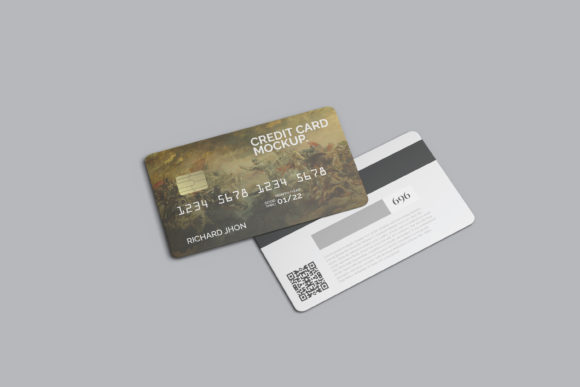
Swing Credit Card Mockup: Professional Design Showcase
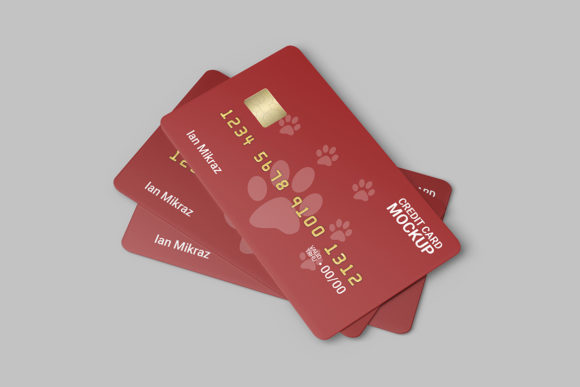
In the digital age, a credit card is no longer just a plastic rectangle for transactions; it is a powerful branding tool. For designers, marketers, and entrepreneurs, presenting a new card design requires more than just a flat JPEG. It demands context, realism, and a sense of tactile presence. This is where the Swing Credit Card Mockup becomes an indispensable asset in your creative workflow. It transforms static designs into compelling visual narratives that resonate with clients and stakeholders alike.
This mockup is designed to bridge the gap between abstract concept and tangible product. By providing a realistic 3D display environment, it allows you to showcase your artwork exactly as it would appear in the real world. Whether you are pitching a premium fintech solution or designing a loyalty program for a local business, having a high-quality presentation layer can significantly elevate the perceived value of your work. The key lies in how effectively you can communicate the quality and style of your design through these visuals.
The Power of Realistic Presentation
Why does realism matter in digital design? Because trust is built on familiarity. When a client sees a flat image of a card, they have to imagine the texture, the finish, and the weight. A realistic mockup removes that cognitive load. It places the design in a familiar context, allowing the viewer to focus on the aesthetics and functionality rather than trying to visualize the final product. The Swing Credit Card Mockup achieves this by offering a sophisticated 3D perspective that feels authentic without requiring complex rendering skills from the user.
This level of detail is crucial for several reasons. First, it helps in securing approvals. Clients are more likely to sign off on a design when they can see how it looks "in situ." Second, it enhances marketing materials. Social media posts, portfolio pieces, and pitch decks benefit greatly from high-fidelity visuals that capture attention instantly. Finally, it aids in internal reviews. Teams can spot alignment issues, color discrepancies, or typographic errors more easily when the design is presented in a realistic format.
Efficiency Through Smart-Object Technology
One of the most significant advantages of this tool is its integration with Adobe Photoshop’s smart-object features. In the fast-paced world of design, time is often the most scarce resource. You cannot afford to spend hours manually masking and warping images to fit a template. The Swing Credit Card Mockup addresses this pain point directly. With simple click-and-replace functionality, you can swap out the current design with your own artwork within seconds.
This efficiency is not just about speed; it is about enabling iteration. When you can quickly test multiple variations, you open up a wider range of creative possibilities. You might want to experiment with different color palettes, typography styles, or layout structures. Instead of being bogged down by technical hurdles, you can focus on the creative decisions. This fluidity encourages experimentation and often leads to better final outcomes. The ease of use ensures that even those who are less technically proficient can produce professional-grade presentations.
Creative Applications and Use Cases
The versatility of the Swing Credit Card Mockup extends far beyond simple product displays. Its utility spans across various industries and creative disciplines. Here are some practical ways to leverage this tool:
- Fintech Startups: New banking apps and payment platforms need to establish trust quickly. A sleek, modern card mockup can be used in landing pages and app store screenshots to convey security and innovation.
- Corporate Branding: Companies issuing employee ID cards or corporate expense cards can use this mockup to showcase their brand guidelines. It demonstrates how logos, colors, and fonts come together in a cohesive identity system.
- Loyalty Programs: Retailers and hospitality businesses often release branded cards to reward customers. A mockup can help visualize the tiered benefits (Gold, Platinum, etc.) by showing distinct design variations side-by-side.
- NFT and Digital Assets: As the line between physical and digital blurs, some projects issue physical representations of digital assets. These mockups serve as perfect promotional material for such hybrid products.
Furthermore, educators and students can use this tool to teach principles of graphic design, focusing on hierarchy, balance, and color theory. By seeing the design applied to a real-world object, learners gain a deeper understanding of how their choices impact the final result.
Technical Specifications and Workflow Tips
To get the most out of the Swing Credit Card Mockup, it is helpful to understand its technical foundation. The file is provided in PSD format, ensuring compatibility with industry-standard software. The resolution is set at 300 dpi, which is the gold standard for print-ready materials. This means that if you plan to use the mockup in printed brochures or high-resolution web banners, the quality will remain crisp and clear.
The dimensions of 3000x2000 pixels offer ample space for detailed compositions. However, it is important to manage your workspace wisely. Since the background color is changeable, you can adapt the mockup to suit different contexts. A white background works well for clean, minimalist presentations, while a dark or textured background can add drama and sophistication. Experiment with these options to find the one that best complements your design’s mood.
Additionally, the package includes a PDF help guide. While the smart-object process is straightforward, taking a few minutes to review this guide can prevent common pitfalls. For instance, ensuring that your replacement image fits within the safe zones of the smart-object layer will maintain the integrity of shadows and reflections. Paying attention to these details ensures that your final output looks polished and professional.
Best Practices for Effective Showcasing
Using the mockup is only half the battle; presenting it effectively is the other. To ensure your designs stand out, consider the following tips:
- Maintain Consistency: If you are showcasing multiple card designs, keep the lighting, angle, and background consistent across all images. This creates a cohesive portfolio that looks organized and intentional.
- Highlight Key Elements: Use the realistic perspective to draw attention to specific features. For example, if your design includes a unique holographic element or embossed text, position the card so that these details are visible and prominent.
- Contextualize Your Message: Think about who will be viewing the mockup. For a B2B audience, a clean, corporate look may be appropriate. For a consumer-facing campaign, a more vibrant and lifestyle-oriented setting might be more effective. Adjust the background color and surrounding elements to match your target audience’s expectations.
- Keep It Simple: Avoid cluttering the scene with too many props or distractions. The focus should remain on the card and its design. Let the simplicity of the composition speak to the confidence of your design.
By adhering to these practices, you can create mockups that not only look good but also communicate your message clearly. The Swing Credit Card Mockup is more than just a template; it is a strategic tool that empowers you to present your work with professionalism and clarity. In a competitive landscape, the ability to showcase your ideas effectively can make all the difference. Embrace the flexibility and realism this tool offers, and watch your designs come to life in ways that inspire and persuade.