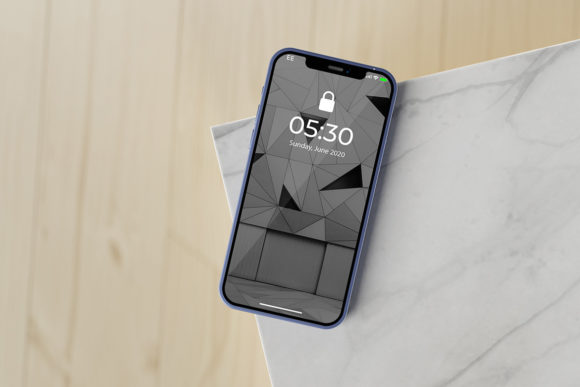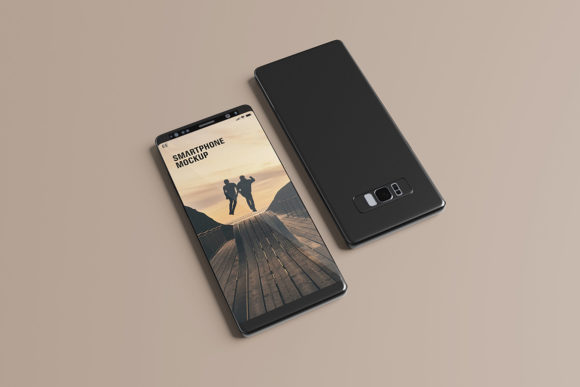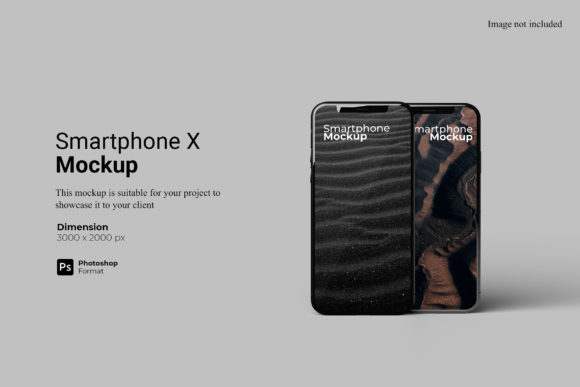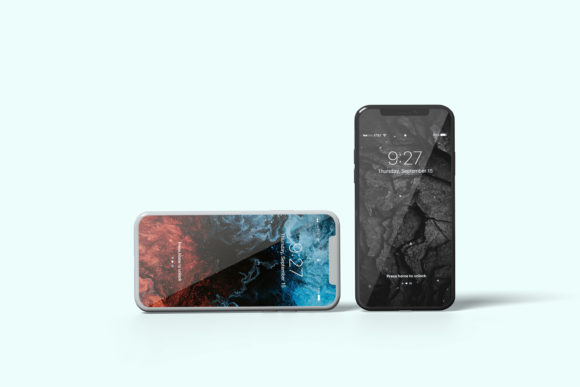
Smartphone Mockup
In the digital age, visual communication is no longer just about having a good idea; it is about presenting that idea in a way that feels tangible, professional, and immediately understandable. For designers, marketers, and content creators, the gap between a flat digital file and a consumer-ready product can often feel wide. This is where a Smartphone Mockup becomes an indispensable asset. It serves as the bridge between abstract design concepts and realistic user experiences, allowing you to showcase your work in a context that your audience already understands intimately.
The modern workflow demands speed without sacrificing quality. Professionals are no longer willing to spend hours manually compositing designs onto device screens. Instead, there is a shift toward efficiency tools that leverage technology to streamline the creative process. A high-quality mockup file, particularly one built within Adobe Photoshop, addresses this need by offering a seamless integration of realism and ease of use. By utilizing smart-object features, you can replace placeholder designs with your own creations in seconds, ensuring that your portfolio or marketing materials look polished and authentic.
The Evolution of Digital Presentation
Gone are the days when showing a logo on a plain white background was sufficient to impress clients or attract users. Today’s consumers are savvy. They interact with smartphones constantly, and their brains have been conditioned to interpret visual information through the lens of mobile interfaces. When you present a design on a generic screen, it looks like a prototype. When you present it on a realistic 3D smartphone model, it looks like a finished product. This psychological shift is critical for conversion rates in app development, UI/UX design, and mobile advertising.
This evolution reflects a broader trend in creative practices: the demand for hyper-realism. Users expect to see how their apps will look in real-world lighting conditions, on different device models, and against varied backgrounds. A sophisticated Smartphone Mockup meets this expectation by providing a three-dimensional perspective that adds depth and credibility to your work. It transforms a simple graphic into a scene, telling a story about where and how the design will be used. This level of detail helps stakeholders visualize the final outcome more accurately, reducing feedback loops and accelerating project approvals.
Why Realism Matters in Modern Workflows
The relevance of a realistic 3D display extends beyond aesthetics; it impacts the entire lifecycle of a design project. For freelancers and agency owners, time is money. The ability to quickly iterate and present multiple variations of a design is crucial. Traditional methods of editing images involve complex layer management and manual masking, which are prone to error and time-consuming. However, modern mockups utilize smart-object technology to simplify this process significantly.
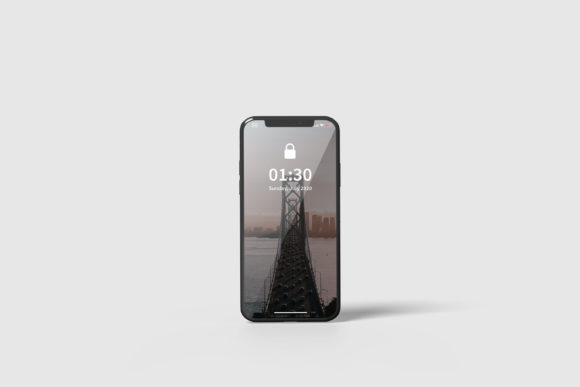
When you open a PSD file equipped with smart-object capabilities, the technical barrier is removed. You do not need to be a Photoshop expert to achieve professional results. The process is intuitive: double-click the smart object layer, paste your design, save, and close. The mockup automatically adjusts for perspective, shadows, and reflections. This efficiency allows creators to focus less on the mechanics of image editing and more on the strategic aspects of their design. Whether you are showcasing a new banking app, a fitness tracker interface, or a social media campaign, the tool ensures that the presentation matches the quality of the underlying concept.
Key Features That Drive Professional Results
To understand why specific mockup files are preferred by professionals, we must look at the technical specifications that enable flexibility and high-fidelity output. Not all templates are created equal, and certain features directly influence the utility of the asset in a business context.
- Smart-Object Integration: The core functionality of any modern mockup lies in its smart-object structure. This feature allows for non-destructive editing. You can swap out designs repeatedly without altering the base texture or lighting of the phone model. This is essential for A/B testing different color schemes or layouts before committing to development.
- High Resolution (300 DPI): Print and digital standards continue to rise. A resolution of 300 DPI ensures that your mockup remains crisp whether it is viewed on a 4K monitor or printed for a physical pitch deck. Low-resolution assets can undermine the perceived value of a high-end design, making pixel-perfect clarity a non-negotiable requirement.
- Optimized Dimensions (3000x2000 px): The aspect ratio and total pixel count are carefully chosen to accommodate various cropping needs. A 3000x2000 pixel canvas provides ample space for detailed inspection while remaining manageable for standard workflows. This size is versatile enough for web use, social media posts, and large-format presentations.
- Changeable Backgrounds: Context matters. A dark mode app might pop against a light background, while a vibrant e-commerce site might require a neutral tone to avoid distraction. The ability to change the background color instantly allows you to tailor the mood of the image to suit specific branding guidelines or campaign themes.
- User Support (PDF Guide): Even with intuitive tools, clarity is key. A comprehensive PDF help guide reduces the learning curve, ensuring that users of all skill levels can utilize the template effectively. This support system is a hallmark of professional-grade assets, distinguishing them from free, poorly documented alternatives.
Practical Applications Across Industries
The versatility of a Smartphone Mockup makes it relevant across a wide spectrum of industries. For app developers, it is a vital tool for pre-launch marketing. Creating teaser videos or static ads that show the app running on a sleek device builds anticipation and trust among potential users. For UI/UX designers, it serves as a portfolio staple. Presenting case studies with realistic device frames demonstrates attention to detail and an understanding of user context.
Marketers and advertisers also benefit significantly. In a crowded digital landscape, standing out requires visual appeal. A well-composed mockup can highlight the unique selling points of a mobile-first service. Similarly, educators and bloggers use these assets to illustrate tutorials or write-ups about mobile trends, providing readers with clear, relatable visuals that enhance comprehension.
Furthermore, entrepreneurs and small business owners often lack the budget for custom 3D rendering services. A premium mockup template offers a cost-effective alternative, allowing them to produce agency-quality visuals for investor pitches or crowdfunding campaigns. This democratization of high-end design resources empowers smaller entities to compete visually with larger corporations.
Best Practices for Implementation
While the technology makes the process easy, achieving the best results requires thoughtful application. First, ensure that your design fits within the safe zones of the smartphone screen. Notches, cameras, and bezels can obscure important content if the layout is not adjusted accordingly. Second, pay attention to contrast and readability. A design that looks good on a pure white canvas might lose impact when placed on a textured glass screen. Test your colors under different lighting conditions provided by the mockup.
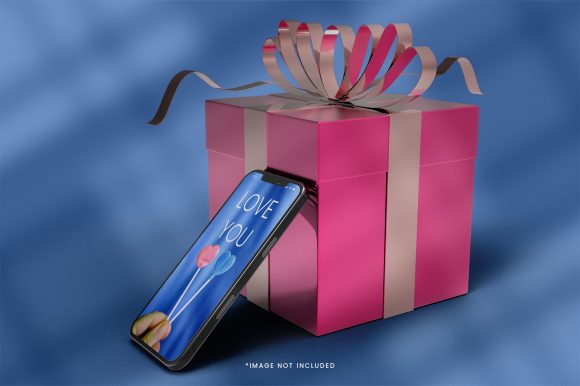
Additionally, consider the narrative of your presentation. Don’t just drop a design onto a phone; think about the environment. Is the user commuting? Working in a cafe? Relaxing at home? While the mockup itself may have a changeable background, choosing a context that aligns with your target audience’s lifestyle can add an extra layer of emotional connection. Remember, the photos used in preview galleries are for illustration purposes only, meaning you have the freedom to create entirely new scenarios that resonate with your specific brand voice.
Conclusion
The adoption of a Smartphone Mockup is more than just a technical upgrade; it is a strategic decision that enhances the professionalism and impact of your visual communications. By leveraging smart-object features, high-resolution outputs, and flexible customization options, you can showcase your designs in a realistic 3D display that captures attention and conveys credibility. As digital interactions become increasingly central to our daily lives, the ability to present mobile-centric ideas with precision and style is a valuable skill. Investing in quality mockup resources supports this goal, enabling creators and businesses to communicate their vision clearly and effectively in a competitive market.