3D Layered Fairy: A Practical Evaluation of a Versatile Digital Asset
In the competitive landscape of digital design, visual assets that offer both aesthetic appeal and technical flexibility are increasingly valuable. Among the trending categories for creative professionals and hobbyists alike, the 3D Layered Fairy has emerged as a notable resource. This asset is not merely a static image but a structured composition designed to simulate depth and dimensionality through strategic layering. For designers, marketers, and content creators seeking to elevate their projects without the overhead of complex 3D modeling software, understanding the practical utility of such an asset is essential.
This evaluation explores the functional characteristics, file format versatility, and real-world applications of the 3D Layered Fairy. By examining its strengths and limitations, we can determine how it fits into professional workflows and whether it delivers genuine value for specific use cases.
Understanding the Core Concept
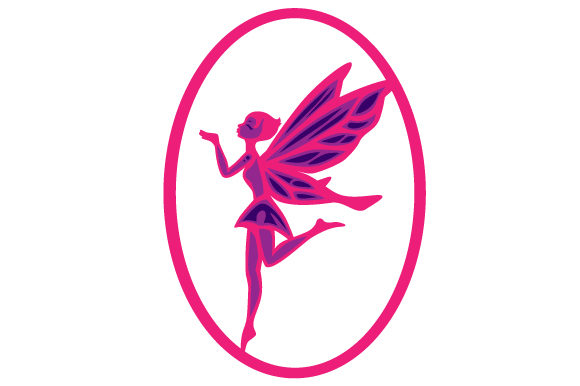
The term "3D Layered" refers to a technique where individual elements of an illustration are separated into distinct layers within a single file. When these layers are arranged in space—either in a design program like Adobe Photoshop or After Effects—they create an illusion of three-dimensionality. The 3D Layered Fairy utilizes this principle, breaking down a fairy figure into components such as wings, hair, torso, limbs, and decorative accessories.
Unlike flat vector illustrations or pre-rendered 3D models, this approach offers a middle ground. It provides the visual richness associated with depth while maintaining the editability of 2D graphics. The primary purpose of this asset is to allow users to manipulate the composition dynamically. Users can adjust the spacing between layers to change the perceived distance, alter angles to simulate rotation, or animate the parts independently to create movement effects.
Technical Specifications and File Formats
A significant advantage of the 3D Layered Fairy lies in its multi-format availability. The inclusion of SVG, Transparent PNG, EPS, and DXF files ensures compatibility across a wide range of software ecosystems. Each format serves a distinct professional need:
- SVG (Scalable Vector Graphics): Ideal for web design and responsive layouts. SVGs remain crisp at any scale, making them perfect for high-resolution displays and print-on-demand products where clarity is paramount.
- Transparent PNG: This format preserves the layered structure in raster form. It is widely supported by graphic design applications and allows for immediate placement over various backgrounds without needing to manage vector paths. The transparency ensures seamless integration into composite images.
- EPS (Encapsulated PostScript): Preferred by professional printers and traditional design workflows. EPS files support vector data and are often used for large-format printing, signage, and commercial production where scalability and color fidelity are critical.
- DXF (Drawing Exchange Format): Essential for users engaged in laser cutting, vinyl plotting, or CNC machining. If the goal is to produce physical merchandise, such as wooden ornaments or acrylic decorations, the DXF file provides the precise vector outlines required by manufacturing equipment.
This diversity in file types means the asset is not limited to screen-based media. It bridges the gap between digital marketing materials and tangible product creation, offering a comprehensive solution for cross-platform projects.
Practical Applications and Use Cases
The versatility of the 3D Layered Fairy makes it suitable for a variety of industries. Its application extends beyond simple decoration, serving functional roles in branding, education, and e-commerce.
Digital Marketing and Social Media
Content creators on platforms like Instagram, Pinterest, and TikTok benefit significantly from layered assets. By importing the layers into animation software, designers can create subtle parallax effects or gentle hovering animations. These dynamic elements capture attention more effectively than static images. For instance, a fantasy-themed blog post or a seasonal promotional campaign can utilize the fairy’s animated wings to add a touch of magic without requiring advanced motion graphics skills.
Print-on-Demand and Merchandise
Entrepreneurs selling custom goods find the DXF and EPS versions particularly useful. The layered nature allows for customization; sellers can separate the wings from the body to create unique variations or combine the fairy with other layered elements. Physical products such as layered wood art, shadow boxes, or die-cut stickers gain a premium feel when produced using these precise files. The ability to control the depth of each layer during manufacturing results in a high-quality end product that stands out in a crowded marketplace.
Event Design and Invitations
For event planners and stationery designers, the 3D Layered Fairy serves as a foundational element for themed invitations, banners, and party decor. The transparent PNGs allow for easy compositing onto textured backgrounds, creating realistic mockups for clients. The capacity to adjust layer spacing enables designers to tailor the visual density to fit different layout constraints, ensuring the design remains balanced and readable.
Evaluating Quality and Usability
When assessing the quality of the 3D Layered Fairy, several factors come into play: line consistency, layer organization, and artistic detail. High-quality layered assets typically feature clean vector paths or high-resolution raster edges that do not degrade upon scaling. The organization of layers is equally important; well-named and grouped layers streamline the editing process, saving time for busy professionals.
The usability of this asset depends largely on the user’s technical proficiency. While the concept of layering is straightforward, achieving a convincing 3D effect requires an understanding of perspective and lighting. Users must manually position layers to ensure they align correctly and cast appropriate shadows. However, once configured, the asset becomes a reusable template. This reusability enhances long-term value, as the same fairy can be adapted for multiple projects with minimal additional effort.
Reliability is another key consideration. Since the asset relies on standard file formats, it is unlikely to encounter compatibility issues across different operating systems or software versions. This stability reduces friction in collaborative environments where team members may use different tools.
Limitations and Considerations
No digital asset is without its drawbacks. One limitation of the 3D Layered Fairy is the potential for visual clutter if too many layers are activated simultaneously. Over-layering can result in a chaotic appearance, especially when printed at small sizes. Designers must exercise restraint, selecting only the necessary layers to maintain clarity.
Additionally, the artistic style of the fairy is fixed. While the layers are editable, the underlying geometry and proportions cannot be altered without significant reconstruction. Users seeking a completely unique character design may need to commission original work rather than relying on a pre-made asset. Furthermore, while the DXF format facilitates physical production, it lacks the color information present in the PNG or SVG files. This means that colored prints require additional steps to map colors to the cut lines.
Who Benefits Most?
The 3D Layered Fairy is best suited for individuals who value efficiency and visual impact. Freelance graphic designers looking to expand their portfolio with dynamic content will find it a quick win. Small business owners in the craft industry can leverage the DXF files to diversify their product offerings. Educators and bloggers can use the transparent PNGs to illustrate articles related to fantasy, folklore, or creativity.
Conversely, users who require highly customized 3D renders or photorealistic imagery may find this asset insufficient. It is a tool for stylized representation, not simulation. Therefore, it is crucial to align the asset’s capabilities with the project’s goals. If the objective is to add a whimsical, dimensional touch to a design, this asset performs exceptionally well. If the goal is hyper-realism, other resources should be considered.
Final Thoughts
In conclusion, the 3D Layered Fairy represents a thoughtful intersection of art and technology. By providing multiple file formats and a flexible layered structure, it empowers users to create visually compelling designs across digital and physical mediums. Its strength lies in its adaptability and ease of integration into existing workflows. While it requires a basic understanding of layer manipulation to fully realize its potential, the return on investment is evident in the enhanced quality and professionalism of the final output. For those seeking to add depth and intrigue to their creative projects, this asset offers a reliable and versatile solution.